
Pipeline Leak Detector Cost: What Determines the Price?
Choosing a pipeline leak detector is not simply a matter of comparing equipment prices. The right solution depends on the type of pipeline, the location of the suspected leak, site conditions, and the detection method required.
For water utilities, plumbing contractors, maintenance teams, and engineering service providers, understanding these factors before purchasing can help avoid unnecessary equipment costs and improve field efficiency.
In this guide, we explain what affects pipeline leak detector costs, how different detection methods meet different project requirements, and what information buyers should prepare when requesting a quotation from a manufacturer.
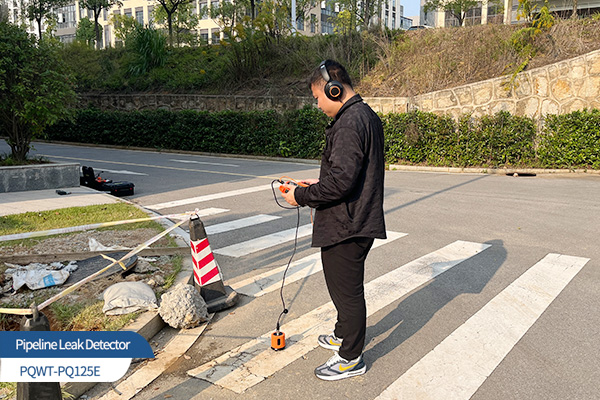
1. What Affects the Cost of a Pipeline Leak Detector?
There is no single price that applies to every pipeline leak detection project. Equipment costs vary according to several technical and practical factors.
Detection technology
Different detection methods are designed for different leak investigation tasks. Acoustic leak detection equipment identifies sound and vibration associated with escaping water. Correlation systems analyze signals collected at different points along a pipeline. Tracer gas equipment uses a suitable test gas to help identify leakage locations under appropriate conditions.
The technology selected should match the actual pipeline and inspection requirements rather than simply the advertised feature list.
Pipeline material and operating conditions
Pipe material, diameter, burial depth, water pressure, and surrounding noise can all affect the choice of detection equipment.
For example, acoustic inspection may require different sensor arrangements depending on whether the pipeline is metallic, plastic, or another material. Background noise, access to the pipeline, and the distance between available inspection points can also influence the detection method.
Equipment configuration
A basic inspection setup and a professional multi-sensor configuration may have different costs.
Depending on the model, a system may include a main control unit, acoustic sensors, listening probes, connecting cables, headphones, and other accessories. Buyers should compare the actual supplied configuration rather than relying on the product name alone.
Technical support and after-sales service
For professional users, product training, operating guidance, warranty coverage, and technical support are also important parts of the purchasing decision.
A suitable system should be supported by clear technical documentation and assistance that matches the user's application.
2. Common Pipeline Leak Detection Methods and Their Applications
Understanding the differences between detection methods helps buyers choose equipment that fits their work.
Acoustic Leak Detection
Acoustic leak detectors capture sound and vibration generated by water escaping from a pressurized pipeline.
Technicians use sensors at accessible inspection points, such as valves, hydrants, and exposed pipe fittings, to identify changes in sound intensity and frequency.
This method is commonly used for investigating suspected leaks in underground water supply pipelines and building plumbing systems.
Its performance depends on pipeline material, water pressure, background noise, sensor contact, and site conditions.
Correlation Leak Detection
A leak noise correlator uses sensors positioned at two points on a pipeline. It compares the signals received at these locations to help estimate the distance to the leak.
Correlation technology can be useful for longer pipeline sections where two suitable access points are available.
The accuracy of the result depends on correct pipeline information, sensor placement, signal quality, and the characteristics of the pipe.
Tracer Gas Leak Detection
Tracer gas detection introduces a suitable test gas into an isolated pipeline under controlled conditions. A compatible gas detector is then used to identify gas escaping from the suspected leakage area.
This method can be useful when conventional acoustic inspection is difficult, provided the pipeline and site conditions are suitable for the test.
tracer gas detection equipment It requires appropriate preparation, equipment, and operating procedures.
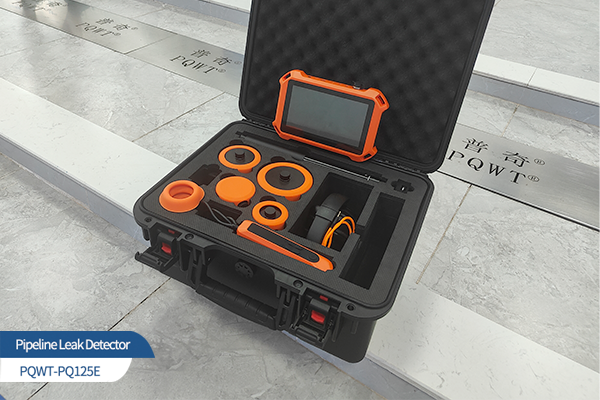
3. How to Choose the Right Pipeline Leak Detection Equipment
Before comparing quotations, buyers should define their actual inspection requirements.
For indoor plumbing and building maintenance
Consider equipment designed for locating leaks in accessible indoor water supply systems. Sensor sensitivity, portability, ease of operation, and the ability to inspect different pipe sections are important considerations.
For outdoor and underground water pipelines
Evaluate the pipeline material, burial depth, available access points, operating pressure, and surrounding noise. outdoor pressure pipeline leak detection equipment A system with suitable sensors and inspection accessories can help technicians investigate suspected underground leaks more efficiently.
For professional leak detection contractors
Teams handling different types of projects may benefit from a multi-sensor solution. The equipment should support the inspection methods and accessories required by their actual service scope.
The best choice is not necessarily the system with the most functions. It is the one that matches the pipeline conditions and the work the team performs most frequently.
4. What Should You Prepare Before Requesting a Quotation?
To receive a more accurate quotation, provide the manufacturer with the following information:
Pipeline application: Indoor plumbing, municipal water supply, industrial water pipelines, or other pressurized water systems.
Pipe material: Metal, PVC, PE, or another material.
Pipe diameter: The approximate or actual pipe diameter.
Burial depth: The estimated depth of the pipeline, if known.
Inspection environment: Indoor, outdoor, underground, or noisy industrial surroundings.
Detection requirements: Acoustic listening, correlation analysis, tracer gas detection, or a combination of methods.
Purchase quantity: The number of equipment sets required.
Destination country: The country where the equipment will be delivered.
Providing these details helps the manufacturer recommend a suitable configuration instead of offering a price that may not match the actual project.
5. PQWT Pipeline Leak Detection Solutions
PQWT develops and manufactures pipeline leak detection equipment for professional inspection and maintenance applications.
Its product range includes solutions designed for different pipeline inspection conditions. Depending on the model and configuration, users can select equipment with different sensors and detection functions to suit indoor plumbing, outdoor pressure pipelines, and underground water supply systems.
When evaluating a PQWT solution, buyers should confirm the applicable pipeline conditions, supplied accessories, technical specifications, and available support with the manufacturer.
For more information, explore the PQWT pipeline leak detection equipment range or contact the technical sales team with your project requirements.
6. Frequently Asked Questions
Q1: How much does a pipeline leak detector cost?
The price depends on the detection method, equipment configuration, sensor types, accessories, and technical support requirements. Contact the manufacturer with your pipeline details to obtain a quotation for the appropriate model.
Q2: Which pipeline leak detector is suitable for underground water pipes?
The right equipment depends on pipe material, burial depth, water pressure, background noise, and available inspection points. Acoustic and other detection methods may be suitable for different site conditions.
Q3: Is an acoustic leak detector suitable for plastic pipes?
Acoustic detection can be used on certain plastic pipelines, but sound transmission characteristics differ from those of metal pipes. Sensor selection, inspection distance, water pressure, and site conditions should be considered.
Q4: What information is needed to select a leak detection system?
Buyers should provide pipeline material, diameter, approximate burial depth, operating conditions, inspection environment, and required detection functions.
Q5: Can one leak detector handle every type of pipeline?
No single detection method is ideal for every pipeline and site condition. Professional users should select equipment according to the actual inspection task and may require different sensors or complementary methods.
Conclusion
Selecting a pipeline leak detector requires more than comparing prices. Detection technology, pipeline characteristics, equipment configuration, and technical support all influence the final purchasing decision.
By defining the inspection requirements before requesting a quotation, buyers can choose a more suitable solution and avoid paying for functions they do not need.
Contact PQWT to discuss your pipeline inspection requirements and find a suitable leak detection solution.