
For professional plumbers, pipeline maintenance contractors and water leak detection service providers, investing in reliable inspection equipment is an important business decision. The right equipment can help technicians identify hidden leaks more efficiently, reduce unnecessary excavation and improve the overall quality of their services.
However, purchasing a pipeline leak detector is only the first step. To achieve a good return on investment (ROI), businesses also need to consider equipment utilization, labor costs, inspection accuracy and long-term customer demand. Understanding these factors can help service providers make better purchasing decisions and build a more sustainable business.
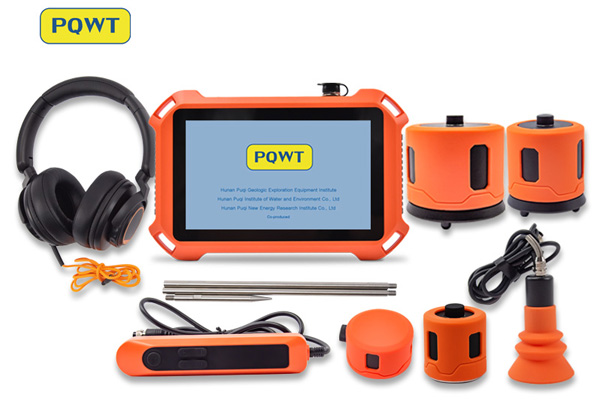
1.How Leak Detection Equipment Improves Inspection Efficiency
Traditional leak investigation often involves visual inspections, repeated testing and partial excavation. When a leak occurs beneath concrete floors, inside walls or underground water supply pipes, locating the source can be particularly challenging.
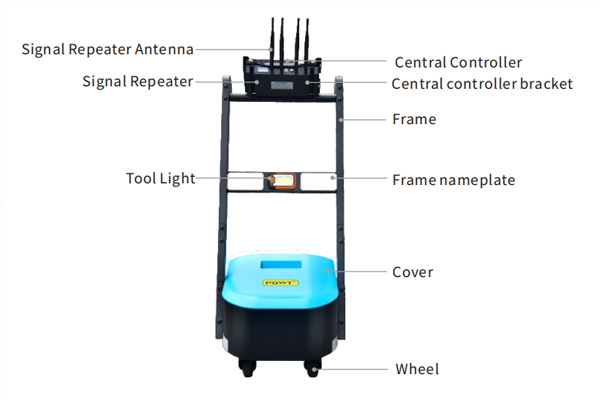
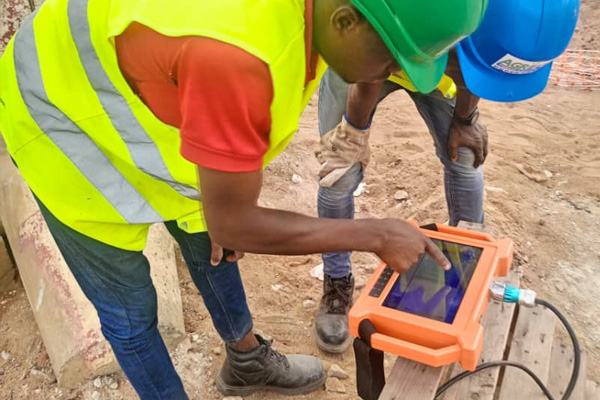
A professional pipeline leak detector provides technicians with additional information by detecting signals associated with water leakage. Depending on the detection method and sensor configuration, acoustic leak detection equipment can help identify abnormal sounds generated by escaping water and narrow down the suspected leakage area.
This allows technicians to focus on specific sections of a pipeline instead of relying entirely on trial-and-error inspections. A more organized inspection process can reduce unnecessary work, save labor time and help service teams handle more assignments with the resources available.
Professionals can explore our range of pipeline leak detection equipment to compare available solutions for different inspection environments.
2. Evaluate Equipment Costs Beyond the Purchase Price
The initial purchase price is only one part of the total cost of owning a leak detection instrument. Businesses should also consider maintenance, sensor replacement, staff training, transportation and equipment downtime.
For example, a detector that is easy to assemble, operate and transport may reduce the time required to prepare for each inspection. Durable sensors and a practical operating interface can also help technicians work more consistently across different job sites.
Before purchasing water leak detection equipment, service providers should compare the following factors:
Initial equipment investment.
Maintenance and replacement costs.
Training requirements for technicians.
Compatibility with different pipeline environments.
Expected frequency of equipment use.
Technical support and after-sales service.
A comprehensive cost assessment provides a more realistic basis for estimating the long-term value of the investment.
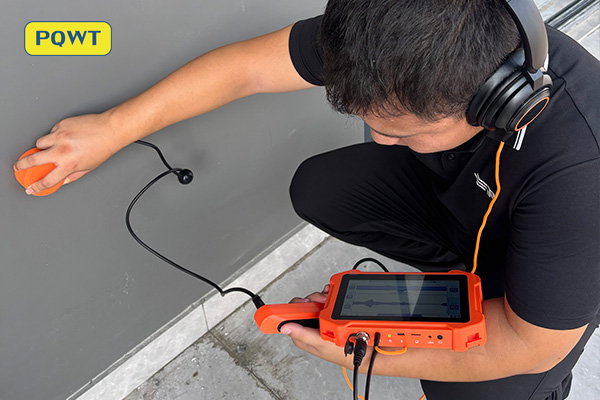
3. Reduce Unnecessary Excavation and Operating Expenses
Unnecessary excavation can increase project costs, extend repair schedules and create additional restoration work. In residential buildings, commercial properties and municipal water supply systems, these costs can be significant.
Using suitable leak detection equipment before excavation helps technicians narrow down the suspected leakage location. Acoustic inspection methods, for example, can provide useful information when investigating leaks in accessible pressurized water pipelines.
Although detection results still need to be interpreted according to pipeline materials, operating conditions and surrounding environmental noise, a more targeted investigation can help reduce avoidable excavation and improve the efficiency of repair planning.
For leak detection contractors, reducing unnecessary site work can also improve project management and customer satisfaction.
4. Improve Service Quality to Build Customer Trust
In the leak detection industry, customers are not simply paying for an inspection instrument. They are paying for professional judgment, reliable findings and practical solutions to their water leakage problems.
Clear inspection procedures and well-supported findings can help service providers explain their results more effectively. When technicians can identify suspected leakage areas with greater confidence, customers can make more informed decisions about subsequent repairs.
Consistent service quality also supports repeat business and referrals. For contractors who serve residential communities, property managers, commercial facilities or municipal water departments, customer trust can become an important source of long-term business opportunities.
5. Choose the Right Pipeline Leak Detector for Your Business
Different leak detection projects require different equipment configurations. A detector suitable for indoor plumbing inspections may not be the best choice for locating leaks in outdoor underground pipelines.
Before making a purchase, businesses should identify their main application scenarios:
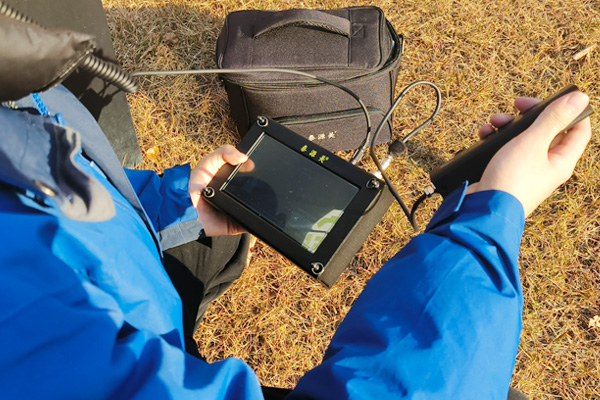
Indoor water leak detection: Suitable equipment should support inspections around walls, floors, bathrooms and indoor water supply pipes.
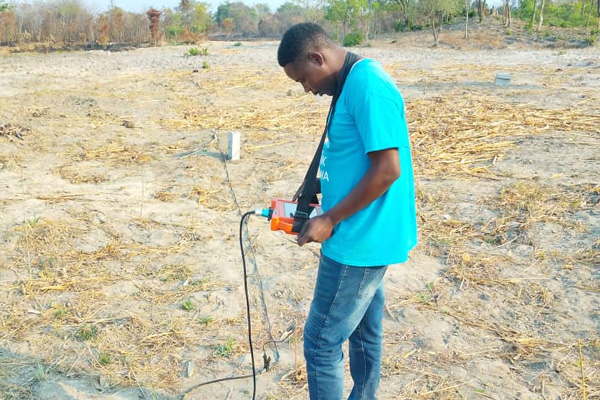
Outdoor underground pipeline inspection: Technicians may need equipment designed for locating suspected leaks along buried pressurized water pipelines.
Complex inspection projects: Multiple sensor options and practical signal analysis functions may help technicians adapt to different site conditions.
PQWT provides a range of water leak detection equipment for professional inspection applications. Businesses can review the available models and select a configuration based on their pipeline types, working environments and service requirements.
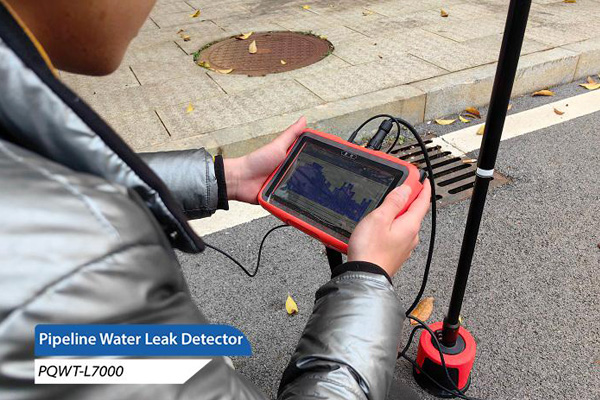
6.Calculate ROI Based on Actual Business Performance
The return on investment of a pipeline leak detector should be evaluated using actual operating data rather than assumptions about how quickly the equipment will pay for itself.
A practical ROI assessment can include:
The total purchase and maintenance costs.
The number of inspections completed during a given period.
Labor hours saved through more efficient inspections.
Changes in excavation and restoration expenses.
Revenue generated from leak detection services.
A simple ROI formula is:
ROI = (Net Financial Gain from the Investment ÷ Total Investment Cost) × 100%
Businesses should define the measurement period and include relevant operating expenses when calculating the results. This makes it easier to compare equipment performance and determine whether the investment is delivering measurable business value.
Conclusion: Make Leak Detection Equipment a Long-Term Business Asset
Investing in professional leak detection equipment can support business growth when the equipment matches the company's service needs and is used effectively. Better inspection workflows, reduced unnecessary site work and consistent service quality can all contribute to stronger business performance.
For plumbing contractors and professional leak detection companies, the key is to evaluate equipment based on its practical capabilities, operating costs and long-term service value rather than purchase price alone.
Explore the PQWT pipeline leak detector range to learn more about available inspection solutions and find equipment suited to your business requirements.
For product details, model recommendations or technical inquiries, contact the PQWT team.