
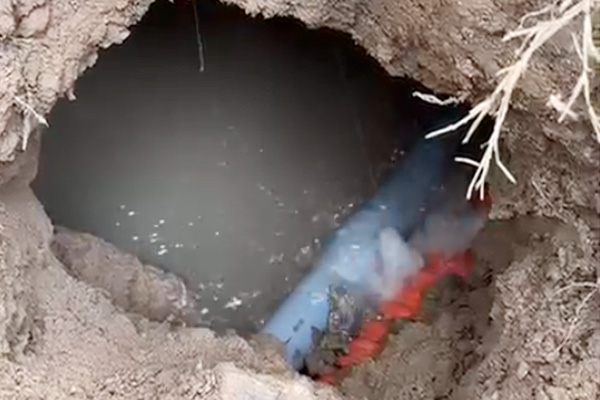
Water leaks in underground supply pipelines are not always easy to identify. A damaged section may be buried beneath roads, concrete floors or landscaped areas, with little visible evidence at the surface. By the time damp patches, reduced water pressure or unexplained water loss become noticeable, the leakage may have been present for some time.
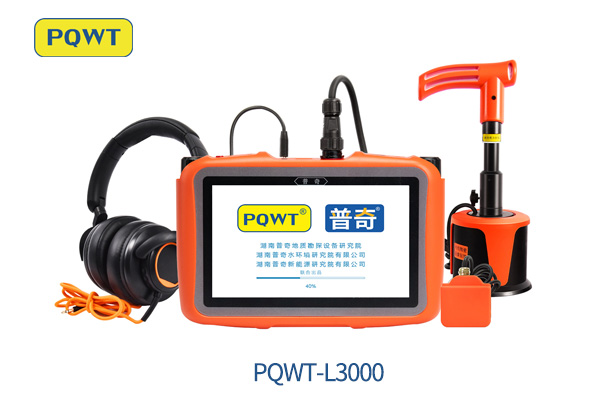
For water utilities, maintenance contractors and property management teams in Vietnam, locating the suspected leak before excavation can help reduce unnecessary repair work. The PQWT-L3000 water leak detector is designed for indoor and outdoor water pipeline leak detection. Its acoustic sensing system helps technicians collect and assess leak-related signals during field inspections.
Why Hidden Water Leaks Are Difficult to Locate
Water supply networks in both urban and rural areas can include pipelines with different materials, diameters, installation depths and operating conditions. These differences affect how leakage signals travel through the pipe and surrounding ground.
A leak may produce sound and vibration as pressurized water escapes through a damaged section. However, the signal reaching the surface can be affected by several factors:
Pipe material: Steel, PVC and other materials transmit acoustic energy differently.
Burial depth: Deeper pipelines may produce weaker signals at the surface.
Operating pressure: Changes in pressure and flow can affect leakage noise.
Background noise: Traffic, pumps, construction work and nearby machinery can interfere with measurements.
Ground conditions: Soil type, moisture and surface materials may influence signal transmission.
This is why visual inspection alone is often insufficient for locating an underground water leak. A suitable detection method should be selected according to the pipeline and site conditions.
How the PQWT-L3000 Supports Leak Detection
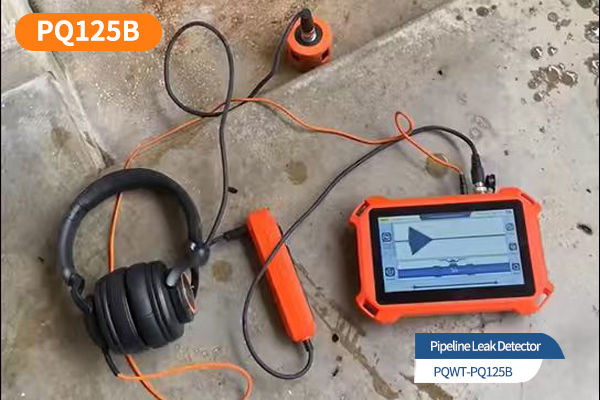
The PQWT-L3000 is an acoustic water leak detection instrument developed for indoor and outdoor pipeline inspection. It collects sound signals associated with water leakage and allows technicians to assess differences between measurement locations.
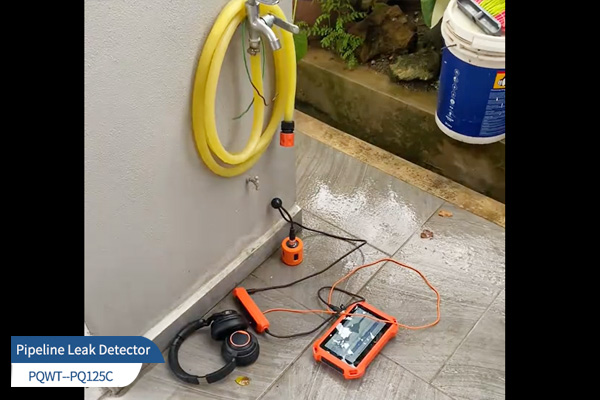
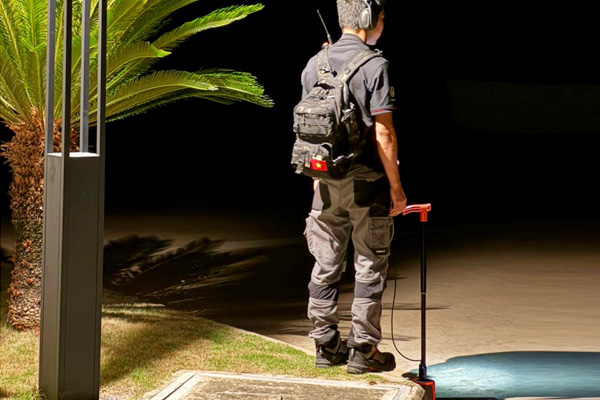
During an inspection, the operator can use the appropriate sensor to collect signals at accessible points along the suspected pipeline. Comparing the readings helps identify areas that may require closer investigation.
The equipment is designed to support two main stages of a leak survey:
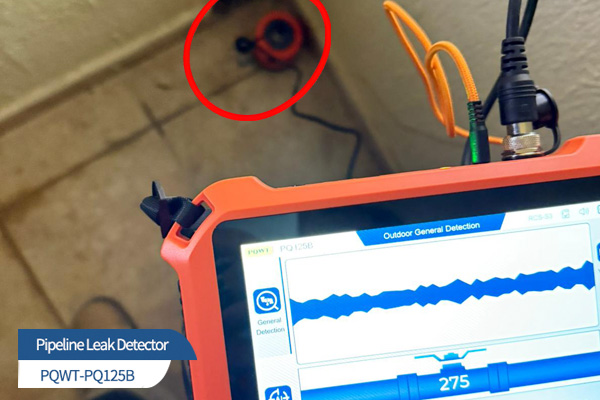
General detection: Survey the suspected pipeline area and identify locations with noticeable signal differences.
Leak positioning: Conduct more focused measurements around the suspected area to narrow down the possible leak location.
The instrument supports field assessment rather than replacing professional judgment. Measurement results should be interpreted together with pipeline information, site conditions and additional verification where necessary.
A Practical Workflow for Pipeline Leak Surveys
A consistent inspection procedure helps improve the quality of field measurements. For water supply pipeline maintenance in Vietnam, the following workflow can be used as a general reference.
Step 1: Review the Pipeline Information
Collect available information about the pipe route, material, diameter, operating pressure and approximate burial depth. Check maintenance records and identify any previous leakage reports.
Step 2: Inspect the Site
Look for visible signs such as damp ground, unusual water accumulation, changes in water pressure or areas where water loss has been suspected. Identify possible sources of background noise.
Step 3: Select the Appropriate Sensor
Choose the sensor according to the inspection environment and pipeline characteristics. Make sure the sensor and instrument connections are secure before taking measurements.
Step 4: Conduct General Detection
Take measurements at suitable intervals along the suspected pipeline. Compare the collected signals to identify locations that may indicate abnormal leakage activity.
Step 5: Narrow Down the Suspected Area
Carry out more detailed measurements around the locations showing unusual signal responses. Repeat measurements where necessary to check whether the signal pattern remains consistent.
Step 6: Verify Before Repair
Compare the suspected leak location with the known pipe route and other available site information. Where practical, use an independent inspection method before excavation or repair.
This workflow helps maintenance teams make more informed decisions and focus their repair work on areas supported by measurement evidence.
What Affects Leak Detection Results?
Acoustic leak detection does not produce identical results under every operating condition. A strong signal does not automatically confirm a leak, and a weak signal does not necessarily mean that the pipeline is intact.
For example, pump operation, nearby valves, changes in water flow and external machinery may create sounds that influence the readings. Different pipe materials and installation environments can also affect signal strength.
For better results, technicians should:
Use the sensor recommended for the inspection task.
Maintain consistent measurement conditions when comparing locations.
Avoid taking readings too close to strong sources of interference where possible.
Repeat measurements when the signal pattern is unclear.
Confirm suspected locations before arranging excavation.
The final detection result depends on the equipment configuration, operator experience, pipeline characteristics and surrounding conditions.
Applications in Water Supply Maintenance
The PQWT-L3000 can support a range of water pipeline inspection tasks, depending on the sensor configuration and site conditions.
Typical applications include:
Municipal water supply: Investigating suspected leaks along underground distribution pipelines.
Residential properties: Checking concealed water supply pipes beneath floors and within walls.
Commercial buildings: Supporting maintenance teams when unexplained water loss or damp areas are reported.
Industrial facilities: Inspecting suitable water supply pipelines as part of routine maintenance.
Water utility contractors: Assisting field teams with leak surveys before targeted excavation.
For projects involving long pipeline networks, multiple measurement locations and a structured inspection plan are important. The L3000 can help technicians collect and compare field signals, while the final repair decision should be based on the full inspection findings.
Frequently Asked Questions
Q1: Can the PQWT-L3000 detect underground water pipe leaks?
Yes. The PQWT-L3000 is designed for indoor and outdoor water pipeline leak detection. It uses acoustic sensing to help technicians identify and assess suspected leakage locations. Actual results depend on pipe conditions and the selected sensor.
Q2: Can it be used for both indoor and outdoor inspections?
Yes. The L3000 is designed for both indoor and outdoor pipeline inspection. The appropriate sensor should be selected according to the inspection environment and the type of pipe.
Q3: Does acoustic detection always identify the exact leak point?
No. Acoustic measurements help narrow down suspected areas, but background noise, pipe material, operating pressure and other site conditions may affect the results. Additional measurements and verification may be required.
Q4: What information should be prepared before a leak detection survey?
It is helpful to provide the pipe material, diameter, approximate burial depth, operating pressure, suspected leakage area and available pipeline drawings. This information helps technicians plan the inspection and select an appropriate sensor.
Choosing the Right PQWT Leak Detection Equipment
Different pipeline inspection projects require different equipment configurations. Before selecting a leak detector, consider the pipe location, material, operating pressure, inspection area and available measurement points.
The PQWT-L3000 is one option for indoor and outdoor water pipeline leak detection. For projects involving different inspection requirements, explore the PQWT range of pipe leak detection equipment to compare available models and applications.
If you are planning a water pipeline inspection project in Vietnam or another market, share your pipeline details and inspection requirements with the PQWT team. This will help determine whether the L3000 is suitable for your application.
Conclusion
Underground water pipeline leaks can be difficult to locate because the damaged sections are often hidden from view. A structured inspection process, suitable acoustic sensors and careful interpretation of field measurements can help maintenance teams narrow down suspected leak locations before repair work begins.
The PQWT-L3000 provides an acoustic-based approach to indoor and outdoor water pipeline leak detection. For water utilities, contractors and professional maintenance teams in Vietnam, it can serve as a practical field tool when its configuration matches the inspection requirements.