
In many parts of Africa, finding groundwater is not an easy task. In countries like Zambia, especially in inland and remote areas, surface water resources are limited. Traditional well drilling often relies heavily on experience and repeated trial drilling, which leads to high costs and uncertain results. Against this background, the PQWT M100 mobile water detector was introduced on-site and successfully helped local users accurately locate underground water sources, solving long-standing water supply problems.
Local Challenges: High Cost and Risk of Trial-and-Error Drilling
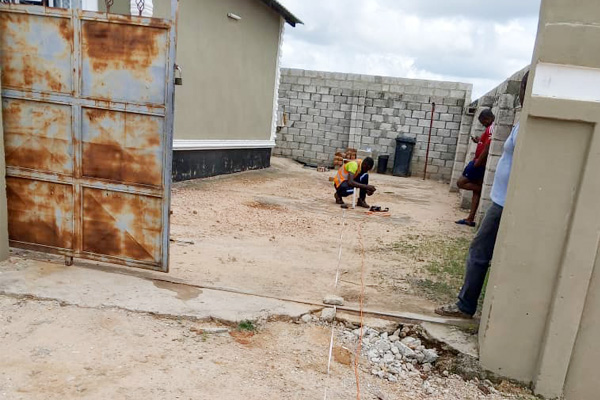
This case took place in a remote area of Zambia where local residents and farms had long depended on rainwater and shallow wells for daily use and irrigation. Due to complex geological conditions and uneven distribution of aquifers, previous drilling attempts based on experience often resulted in low water yield or dry wells, wasting significant labor and construction costs.
After learning about mobile water detectors online, the user decided to adopt a more scientific exploration method to improve the success rate of water well drilling and reduce unnecessary risks.
On-Site Application of the PQWT M100 Mobile Water Detector
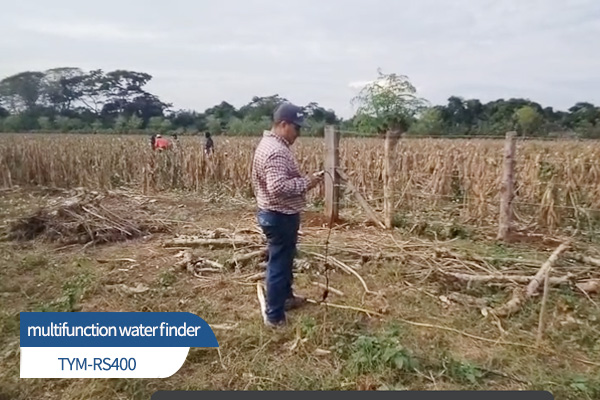
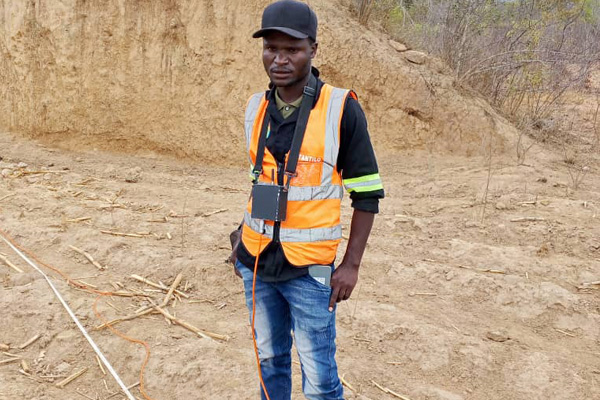
The PQWT M100 is a portable mobile water detector that works in combination with a smartphone to conduct groundwater exploration and data imaging. Based on local terrain and geological conditions, technicians first planned the survey area and then carried out multi-point measurements using the PQWT M100.
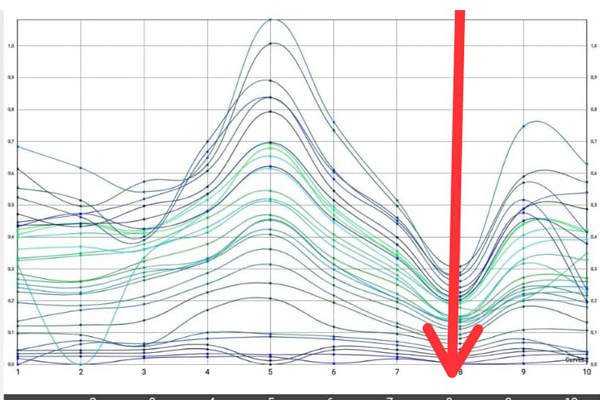
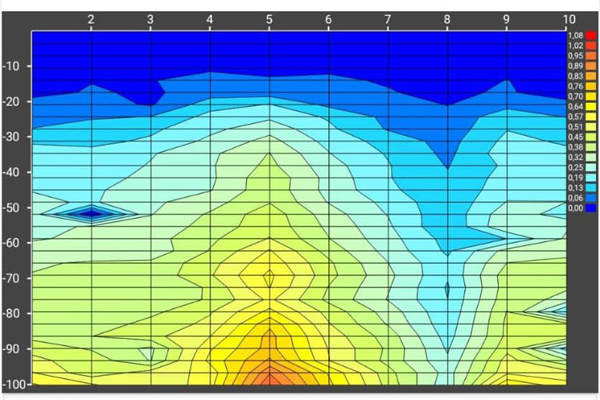
During operation, the device collected variations in subsurface electrical properties to analyze groundwater conditions at different depths. After data collection, clear images of underground structures were generated directly on the smartphone, making stratification and water-bearing anomalies easy to identify.
Clear Detection Results for Better Drilling Decisions
The survey results clearly indicated the location and depth of potential aquifers. Based on the user’s water demand and drilling requirements, technicians identified the optimal drilling point and recommended an appropriate drilling depth.
Compared with traditional methods, this data-driven approach significantly reduced human judgment errors and made drilling decisions more scientific and reliable. Once the drilling location was confirmed, construction proceeded smoothly without repeated trial drilling.
Successful Water Output Exceeding Expectations
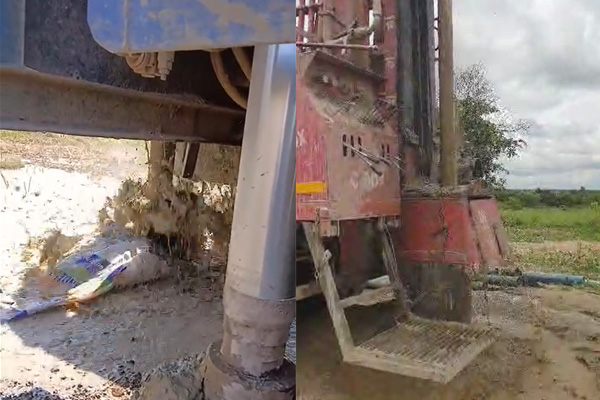
After drilling was completed, the well produced water successfully with stable output, fully meeting local domestic and agricultural needs. The results exceeded expectations, and on-site personnel expressed high satisfaction. Compared with previous failed attempts, using a mobile water detector saved both time and overall costs.
This successful outcome also increased local interest in the practical value of mobile water detectors.
Why Mobile Water Detectors Are Gaining Popularity
This real case from Zambia highlights several advantages of mobile water detectors in practical applications:
Portable and easy to use, suitable for various terrains
Visual data imaging for intuitive interpretation
Higher efficiency with reduced trial drilling
Wide applicability for domestic, agricultural, and engineering water needs
Because of these benefits, mobile water detectors are becoming an essential tool in groundwater exploration.
Practical Value of the PQWT M100
In this Zambia project, the PQWT M100 demonstrated reliable performance and stability in complex geological conditions. For water-scarce regions, accurately locating groundwater is often more critical than drilling itself. Scientific exploration helps avoid unnecessary costs and resource waste.
For users with groundwater exploration needs, choosing a reliable mobile water detector makes the entire process more efficient and controllable.
Conclusion
The successful use of the PQWT M100 in Zambia once again proves the practical value of mobile water detectors. By replacing traditional trial-and-error methods with data-based exploration, it provides a more efficient and dependable solution for water sourcing.
As water exploration demands continue to grow, mobile water detectors will play an increasingly important role in helping users locate reliable groundwater resources at lower cost and higher efficiency.